
Published October 30, 2026
Before & After Home Staging Tips: Transform Your Home Before Selling

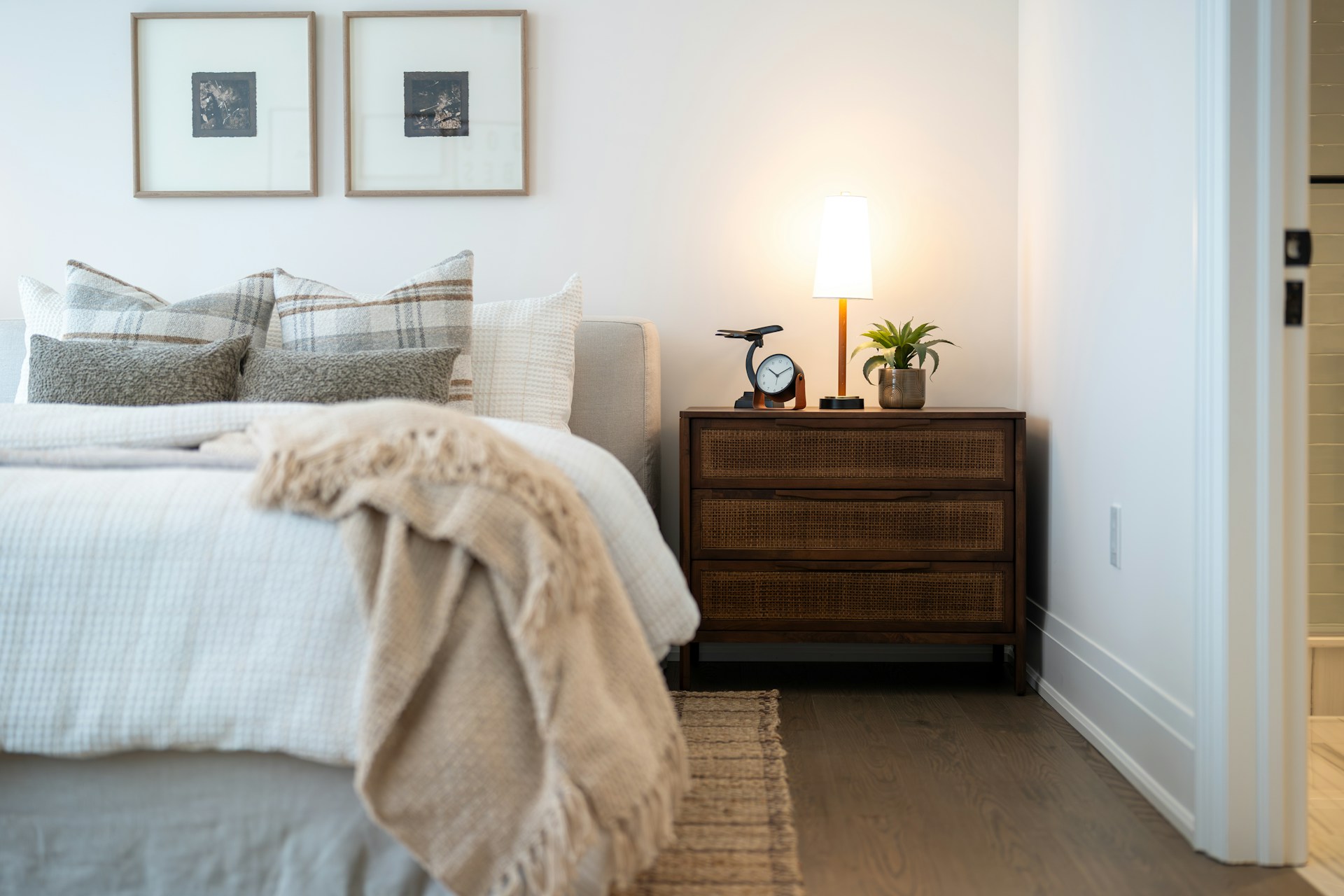
When preparing to sell your home, presentation matters. The difference between an empty room, a cluttered living space, and a thoughtfully staged home can influence how buyers perceive the property, both online and during an in-person showing.
Whether you're selling a family home in Fergus Falls, a lake property near Detroit Lakes, or a luxury home in the Minnesota Lakes Area, strategic home staging can help buyers better understand your property's layout, functionality, and potential.
At Ryan Hanson Homes, we believe effective staging isn't about making a home look like a showroom. It's about showcasing the property's strongest features while helping buyers picture how the space could work for them.
In this guide, we'll explore practical before and after home staging tips, common mistakes to avoid, and ways to prepare your property for professional photography and showings.
What Is Home Staging and Why Does It Matter?
Home staging is the process of preparing a property for sale by arranging furniture, improving presentation, reducing distractions, and highlighting the home's most appealing features.
Staging can involve anything from rearranging existing furniture to bringing in professionally selected furnishings and accessories to having it virtually staged, which we offer free of charge here at Ryan Hanson Homes.
The goal is to make each room feel welcoming, functional, and easy to understand.
How Staging Changes a Buyer's First Impression
Consider three versions of the same living room:
Before staging: The room contains oversized furniture, personal collections, crowded bookshelves, and multiple decorative pieces. Although the room may be spacious, buyers have difficulty understanding its actual dimensions.
After basic staging: Excess furniture is removed, personal items are packed away, and the remaining pieces are arranged to improve traffic flow. Natural light reaches more of the room, and architectural details become easier to notice.
After professional staging: Carefully selected furniture, artwork, rugs, and accessories create a cohesive design that emphasizes the room's proportions and intended function.
All of these we can do virtually at Ryan Hanson Homes as well!
Each improvement helps buyers focus more on the property itself.
For homes in Fergus Falls, Moorhead, Fargo, North Dakota, and surrounding communities, staging should also reflect the property's architecture, price range, and likely buyer expectations.
A historic home near downtown Fergus Falls may benefit from a different presentation than a contemporary lake home near Perham.
1. Living Room Staging: Create Space and Improve Flow
The living room is often one of the most important spaces in a home because buyers use it to imagine everyday living, entertaining, and relaxing.
Before: A Crowded or Distracting Living Room
Common challenges include:
- Oversized sectional sofas that overwhelm the room.
- Furniture positioned against every available wall.
- Too many accent chairs or side tables.
- Large personal photo collections.
- Visible cords, electronics, and miscellaneous items.
- Heavy window treatments that limit natural light.
These details can make even a generously sized living room feel smaller or less inviting.
After: An Open, Welcoming Living Space
Start by removing unnecessary furniture and establishing a clear focal point.
In some homes, that focal point may be a fireplace. In others, it could be a large picture window, built-in cabinetry, or a beautiful view.
Arrange seating to encourage conversation while maintaining comfortable walking paths.
Choose a few coordinated accessories rather than filling every available surface.
Local staging insight: In Minnesota lake homes, avoid placing tall furniture directly in front of windows overlooking the water. A lake view is often one of the property's defining features, and furniture placement should help showcase it.
For a home with a fireplace, consider arranging furniture so buyers can appreciate both the fireplace and the room's natural gathering space.
2. Kitchen Staging: Highlight Functionality and Cleanliness
Kitchens receive significant attention from buyers because they are central to everyday life.
Fortunately, effective kitchen staging often requires more organization than spending.
Before: Cluttered Countertops and Distracting Details
Common kitchen presentation issues include:
- Small appliances covering most countertops.
- Refrigerators filled with magnets and personal items.
- Dish racks, cleaning supplies, and visible sponges.
- Crowded open shelving.
- Excessive decorative accessories.
- Inconsistent lighting.
These items may be practical for daily living, but they can distract buyers from the cabinetry, countertops, appliances, and overall layout.
After: A Clean, Functional Kitchen
Clear most countertop surfaces while leaving a few carefully selected accents.
A wooden cutting board, simple bowl, or small plant can add warmth without making the space feel cluttered.
Clean appliances thoroughly, including handles, doors, and visible surfaces.
Make sure cabinet doors and drawers close properly. Replace burned-out light bulbs and use consistent lighting where practical.
If the kitchen includes an island, emphasize its workspace and seating potential without overcrowding it.
Before and after tip: A kitchen doesn't necessarily need new countertops or cabinets to photograph well. Deep cleaning, decluttering, improved lighting, and thoughtful styling can make a noticeable difference.
For homes in established Fergus Falls neighborhoods or older properties throughout Otter Tail County, preserving original character while improving presentation can be more appropriate than pursuing expensive cosmetic updates.
3. Bedroom Staging: Make Rooms Feel Restful and Spacious
Bedrooms should feel comfortable, organized, and appropriately sized for their intended use.
Buyers should be able to understand how a bed, nightstands, and other essential furniture fit within the room.
Before: Too Much Furniture and Personalization
Potential distractions include:
- Oversized bedroom sets.
- Unmade beds or mismatched bedding.
- Exercise equipment or office supplies.
- Excessive wall decorations.
- Crowded dressers.
- Personal photographs and collections.
These items can make the bedroom appear smaller or less cohesive.
After: A Calm and Inviting Bedroom
Start with neatly made bedding in a coordinated color palette.
Use pillows and a throw blanket sparingly to add texture.
Where space allows, position nightstands on either side of the bed to create balance.
Remove unnecessary furniture and keep dresser surfaces simple.
For smaller bedrooms, choose furnishings that demonstrate the room's usable dimensions without making it feel crowded.
Primary Bedroom Staging for Luxury and Lake Homes
In higher-end homes, the primary bedroom may serve as a private retreat.
Staging can emphasize this by highlighting:
- Large windows and natural light.
- Lake views or wooded surroundings.
- Fireplace features.
- Walk-in closets.
- Access to private decks or patios.
- The connection between the bedroom and ensuite bathroom.
For waterfront properties such as Otter Tail Lake, Detroit Lake, or Pelican Lake homes, furniture should complement the setting rather than compete with it.
The objective is to help buyers appreciate the property's actual features, not to create an unrealistic impression of the space.
4. Bathroom Staging: Make Every Detail Feel Fresh
Bathrooms may be smaller than other rooms, but their condition can strongly influence a buyer's impression of maintenance and cleanliness.
Before: Everyday Clutter
Typical distractions include:
- Toothbrushes and toiletries on countertops.
- Visible medications and personal products.
- Worn towels.
- Soap residue or water spots.
- Cluttered shower shelves.
- Overflowing storage baskets.
After: Clean, Bright, and Organized
Begin with a thorough cleaning of mirrors, fixtures, countertops, tile, and glass shower doors.
Remove personal products from visible surfaces.
Replace worn towels with clean, coordinated ones.
A small decorative item or neatly folded hand towel may be enough to make the space feel finished.
Pay attention to grout, caulking, faucets, and cabinet hardware. Small maintenance issues can become more noticeable when everything else is clean.
Important: Staging should never be used to conceal leaks, water damage, mold, or other material property defects. Address known issues appropriately and follow applicable disclosure requirements.
5. Dining Room Staging: Show Buyers How the Space Works
A dining room should communicate its purpose without feeling overly formal or crowded.
Before: An Underused or Overfilled Space
In some homes, the dining room becomes a temporary office, storage area, or collection point for everyday items.
In others, an oversized dining table makes the room difficult to navigate.
After: A Defined Dining Area
Use a dining table appropriately scaled to the room.
Keep the centerpiece simple, and avoid elaborate place settings that distract from the space.
Make sure chairs can be moved comfortably and that pathways remain clear.
If the home features a formal dining room, emphasize its connection to the kitchen and adjacent living spaces.
In open-concept homes, furniture placement can help buyers distinguish the dining area from the kitchen and living room without interrupting the overall flow.
6. Entryway Staging: Make the First Few Seconds Count
The entryway establishes the tone for the rest of the showing.
Buyers should immediately feel that the property is clean, cared for, and easy to navigate.
Before: A Busy Entrance
Common issues include shoes, coats, backpacks, pet supplies, and crowded storage areas.
After: A Welcoming First Impression
Remove excess items and clean the floors, doors, and surrounding trim.
If space permits, add a simple entry rug or small piece of furniture that complements the home's style.
Avoid oversized decorations that make the entrance feel narrow.
In Minnesota and North Dakota homes, functional mudrooms and entry storage can be meaningful features, particularly during snowy and muddy seasons.
Rather than hiding these areas, organize them to demonstrate how the storage functions.
A well-presented mudroom with hooks, benches, cubbies, or built-in cabinetry can communicate everyday convenience.
7. Home Office and Flex Room Staging: Give Every Room a Clear Purpose
Many buyers appreciate adaptable spaces that can accommodate work, hobbies, guests, or other activities.
However, an undefined room can leave buyers wondering how they might use it.
Before: A Room With Multiple Conflicting Uses
A spare bedroom might contain a desk, treadmill, storage boxes, and miscellaneous furniture.
Although the room serves several purposes for the current owner, buyers may have difficulty evaluating its layout.
After: One Clear Primary Function
Choose a primary purpose based on the room's dimensions and the property's overall layout.
For example:
- Stage a dedicated office with a desk, chair, and minimal shelving.
- Present a guest bedroom with appropriately sized bedroom furniture.
- Organize a hobby room to demonstrate usable workspace.
- Keep an unfinished bonus area clean and accessible so buyers can assess its potential.
Avoid presenting a room as a legal bedroom unless it meets applicable requirements.
A room's staging does not determine whether it qualifies as a bedroom for listing, appraisal, or regulatory purposes.
8. Lake Home Staging: Let the Waterfront Be the Star
Selling a lake property requires a different presentation strategy than selling many traditional residential homes.
The property itself matters, but so does the relationship between the home and the surrounding landscape.
For waterfront homes throughout Otter Tail County and Becker County, thoughtful staging can help buyers understand how indoor and outdoor spaces connect.
Before: Views and Outdoor Features Are Overlooked
Common staging mistakes include:
- Large furniture blocking lake-facing windows.
- Heavy curtains covering waterfront views.
- Cluttered decks and patios.
- Outdoor furniture that obstructs walking paths.
- Excessive seasonal decorations.
- Storage items left near shoreline access points.
After: A Waterfront Lifestyle That Feels Accessible
Arrange interior furniture to preserve sightlines toward the water.
Clean windows and glass doors to make the views easier to appreciate.
Organize outdoor seating areas to demonstrate their intended use.
Clear unnecessary items from decks, patios, and shoreline access areas while preserving established landscaping and natural features.
If the property includes a dock, boathouse, or waterfront recreation area, make sure those features are presented accurately and safely.
Staging for Different Minnesota Lakes
A home on Otter Tail Lake may have expansive water views that should remain unobstructed.
A wooded lake property near Battle Lake may benefit from staging that emphasizes privacy and the natural surroundings.
A seasonal cabin near Perham may be best presented with comfortable, practical furnishings that complement its recreational purpose.
A larger waterfront home near Detroit Lakes may call for a more refined approach that highlights architectural details, outdoor entertaining areas, and the property's connection to the lake.
In every case, the staging should fit the actual property rather than follow a one-size-fits-all design trend.
9. Exterior Staging: Improve Curb Appeal Before Buyers Walk Inside
Exterior presentation is an essential part of preparing a home for sale.
The first impression often begins with listing photos and continues when buyers arrive for a showing.
Before: Maintenance and Clutter Distract From the Home
Potential concerns include:
- Overgrown landscaping.
- Dirty siding or windows.
- Cluttered porches.
- Damaged or worn exterior fixtures.
- Unnecessary equipment stored near the entrance.
- Poorly maintained walkways.
After: A Clean, Well-Maintained Exterior
Focus on basic improvements that help the home look cared for.
Mow and edge the lawn during the growing season.
Trim vegetation where appropriate and remove debris.
Sweep porches, decks, and walkways.
Clean exterior light fixtures and entry doors.
Repair visible maintenance issues where feasible.
Keep seasonal decorations simple.
Seasonal Staging in Minnesota and North Dakota
The season can influence how a property should be presented.
Spring: Address winter debris, clean exterior surfaces, and prepare landscaping as conditions allow.
Summer: Maintain lawns, gardens, decks, patios, and outdoor entertaining areas.
Fall: Remove excessive leaves, maintain walkways, and use restrained seasonal accents.
Winter: Keep entrances and walkways clear of snow and ice, provide safe access, and ensure exterior lighting is functional.
For properties in Fergus Falls, Fargo, Moorhead, and the surrounding region, winter showings require particular attention to accessibility and safety.
10. Vacant Home Staging: Help Buyers Understand Scale
Vacant homes present a unique challenge.
Without furniture, some buyers may have difficulty judging room dimensions or understanding how different spaces could function.
Before: Empty Rooms With Little Visual Context
A vacant living room may appear smaller or less inviting than expected.
An empty bedroom may make it difficult to determine where a bed and dresser could fit.
Large open-concept spaces may lack visual separation between different functional areas.
After: Furniture Establishes Proportion and Purpose
Physical staging can help establish scale by introducing appropriately sized furniture.
A living room arrangement can demonstrate seating capacity and circulation.
A bedroom setup can show how furniture fits around windows, doors, and closets.
A dining table can help define an open-concept dining area.
Not every vacant property requires full professional staging.
In some cases, staging the living room, primary bedroom, and dining area may provide enough visual context to improve the overall presentation.
The right approach depends on the property, budget, marketing strategy, and expected buyer audience.
11. Virtual Staging vs. Physical Staging: Which Is Better?
Virtual staging and physical staging serve different purposes.
Physical staging involves placing actual furniture and accessories in the property.
Virtual staging digitally adds furniture or decorative elements to photographs of a property.
Both can be useful when applied appropriately.
| Feature | Physical Staging | Virtual Staging |
|---|---|---|
| Furniture | Real furniture placed in the home | Furniture digitally added to images |
| In-person showings | Buyers experience the staged rooms | Buyers see the property's actual, unstaged condition |
| Photography | Photographs show physical furnishings | Photographs show a digitally furnished version |
| Cost | Varies by furniture, labor, rental, and duration | Often less expensive, depending on the scope |
| Best applications | Occupied or vacant homes where in-person presentation matters | Vacant or sparsely furnished spaces needing visual context |
When Virtual Staging Makes Sense
Virtual staging can be useful when a property is vacant, furniture rental is impractical, or a seller wants to illustrate a possible furniture arrangement.
However, digital staging must be transparent and accurate.
Digitally staged photos should be identified as virtually staged in accordance with applicable MLS rules and advertising requirements.
Virtual staging should not misrepresent permanent property characteristics, room dimensions, views, finishes, or structural features.
For example, adding a virtual sofa to an empty living room is different from digitally removing a structural column or replacing an existing window with a larger one.
The first illustrates possible use. The second misrepresents the property.
Sellers and agents should also verify the specific photo-editing and disclosure rules of the MLS in which the property is listed.
12. Before and After Staging Tips That Offer the Most Value
Not every staging improvement requires a significant investment.
Many effective changes are inexpensive and can be completed before professional photography.
Start With These High-Impact Improvements
- Declutter every room. Remove unnecessary items from floors, countertops, shelves, and furniture.
- Deep clean the property. Pay particular attention to kitchens, bathrooms, windows, flooring, and high-touch surfaces.
- Improve lighting. Open window coverings, clean light fixtures, and replace burned-out bulbs.
- Rearrange furniture. Create comfortable walking paths and emphasize the room's best features.
- Reduce personalization. Pack away excessive personal photographs, collections, and highly specific decorative items.
- Address minor repairs. Fix loose hardware, sticking doors, damaged trim, and other visible maintenance concerns where practical.
- Use consistent styling. Coordinate colors and accessories without making every room look identical.
- Prepare outdoor areas. Make entrances, patios, decks, and walkways clean and accessible.
The biggest improvement often comes from removing distractions rather than adding more decorations.
13. Common Home Staging Mistakes to Avoid
Staging can become less effective when the design takes attention away from the home itself.
Overdecorating
Too many accessories can make rooms feel busy and smaller than they are.
Using Furniture That Is Too Large
Oversized furnishings can obscure room dimensions and restrict movement.
Ignoring Natural Light
Heavy curtains and furniture positioned in front of windows can reduce the appeal of otherwise bright rooms.
Choosing Style Over Function
A room may look attractive in photographs but still feel awkward during a showing.
Staging should support both visual appeal and practical use.
Neglecting Storage Areas
Buyers may inspect closets, garages, pantries, and utility spaces.
These areas should be clean, organized, and accessible.
Covering Up Property Problems
Staging should never conceal defects or create a misleading impression of the home's condition.
Spending Without a Clear Strategy
Expensive furniture rentals or cosmetic updates are not automatically worthwhile.
A real estate professional can help sellers prioritize improvements based on the property's condition, competing listings, and marketing goals.
14. How to Prepare Your Home for Listing Photos
Professional photography is one of the most important moments in the listing preparation process.
Staging should be completed before the photographer arrives.
Home Staging Photography Checklist
- Make all beds neatly.
- Clear kitchen and bathroom countertops.
- Remove visible trash cans where practical.
- Put away pet bowls, toys, and supplies.
- Hide loose cords and chargers.
- Remove unnecessary refrigerator magnets and papers.
- Clean mirrors, windows, and glass doors.
- Straighten furniture and decorative accessories.
- Open window coverings when appropriate.
- Check that light bulbs work and lighting looks consistent.
- Remove vehicles from the driveway when practical.
- Organize decks, patios, and entryways.
- Check each room from the camera's likely viewpoint.
For lake homes, consider how photographs will capture waterfront views, outdoor living spaces, and the relationship between the home and shoreline.
For properties with distinctive architectural details, staging should complement those features rather than distract from them.
15. Is Professional Home Staging Worth the Cost?
Professional home staging can be worthwhile, but the answer depends on the property.
Important considerations include:
- Whether the home is occupied or vacant.
- The quality and condition of existing furniture.
- The property's price range.
- The amount of preparation needed.
- The expected cost of staging.
- The length of time furnishings may be required.
- How the property compares with competing listings.
A vacant luxury home may benefit from carefully selected physical furnishings that establish scale and enhance the in-person experience.
An occupied home in good condition may need only a consultation, decluttering, and furniture rearrangement.
A modestly priced home may benefit most from cleaning, minor repairs, and targeted styling.
There is no universal staging budget or guaranteed return on investment.
The objective is to make thoughtful decisions that improve the property's presentation without creating unnecessary expenses.
Frequently Asked Questions About Home Staging
What are the most important rooms to stage before selling a home?
The living room, primary bedroom, and kitchen are often good starting points because they help buyers understand the home's everyday living spaces. However, the best priorities depend on the property's layout and distinctive features.
Can I stage my home using furniture I already own?
Yes. Many homes can be staged effectively by rearranging existing furniture, removing unnecessary pieces, coordinating accessories, and improving lighting.
Professional staging does not always require purchasing or renting new furniture.
Should I paint my home before staging?
Not necessarily. If the existing paint is clean, well-maintained, and complements the home, repainting may not be needed.
Fresh paint can be helpful when walls are damaged, heavily marked, or finished in colors that distract from the property's features.
Is virtual staging allowed in real estate listings?
They are allowed in our area, as long as they follow MLS guidelines. Our digitally staged images are accurately labeled and do not misrepresent the property's physical condition or features.
Should I stage my lake home differently from a traditional house?
Yes. Lake homes often benefit from staging that emphasizes waterfront views, outdoor living areas, natural light, and the connection between the interior and exterior spaces.
The presentation should also reflect whether the property is intended for seasonal or year-round use.
Should I remove family photographs before selling?
Removing some personal photographs can help reduce visual distractions and create a more neutral presentation.
It is not necessary to remove every personal item, but limiting highly personalized displays can help buyers focus on the home's features.
Does staging guarantee a higher sale price?
No. Staging can improve presentation and help buyers understand a property's potential, but it does not guarantee a higher sale price, faster sale, or specific financial return.
Pricing, location, condition, inventory, financing conditions, and buyer demand all influence the outcome.
When should I stage my home?
Ideally, staging should happen after cleaning and necessary repairs but before professional photography, video, and listing publication.
This helps ensure the property's online presentation accurately reflects its showing condition.
Make Your Home's First Impression Count With Ryan Hanson Homes
The best before and after home staging transformations don't necessarily involve expensive renovations or elaborate furniture.
They happen when a home's layout becomes easier to understand, its strongest features stand out, and buyers can better imagine how they might use the space.
From traditional homes in Fergus Falls and Alexandria to waterfront properties near Battle Lake and Pelican Rapids, the right staging strategy should reflect the property, its setting, and the expectations of prospective buyers.
Ryan Hanson Homes brings local real estate knowledge and a thoughtful approach to property presentation across the Minnesota Lakes Area and surrounding markets, including Fargo-Moorhead.
Whether you're preparing a primary residence, second home, or distinctive luxury property for sale, our team can help you evaluate which improvements deserve attention before your home reaches the market.
Visit Ryan Hanson Homes to connect with our team and start planning your next move.