
Published November 5, 2026
Do This Before the First Snow: Your Minnesota and North Dakota Home Winterization Checklist

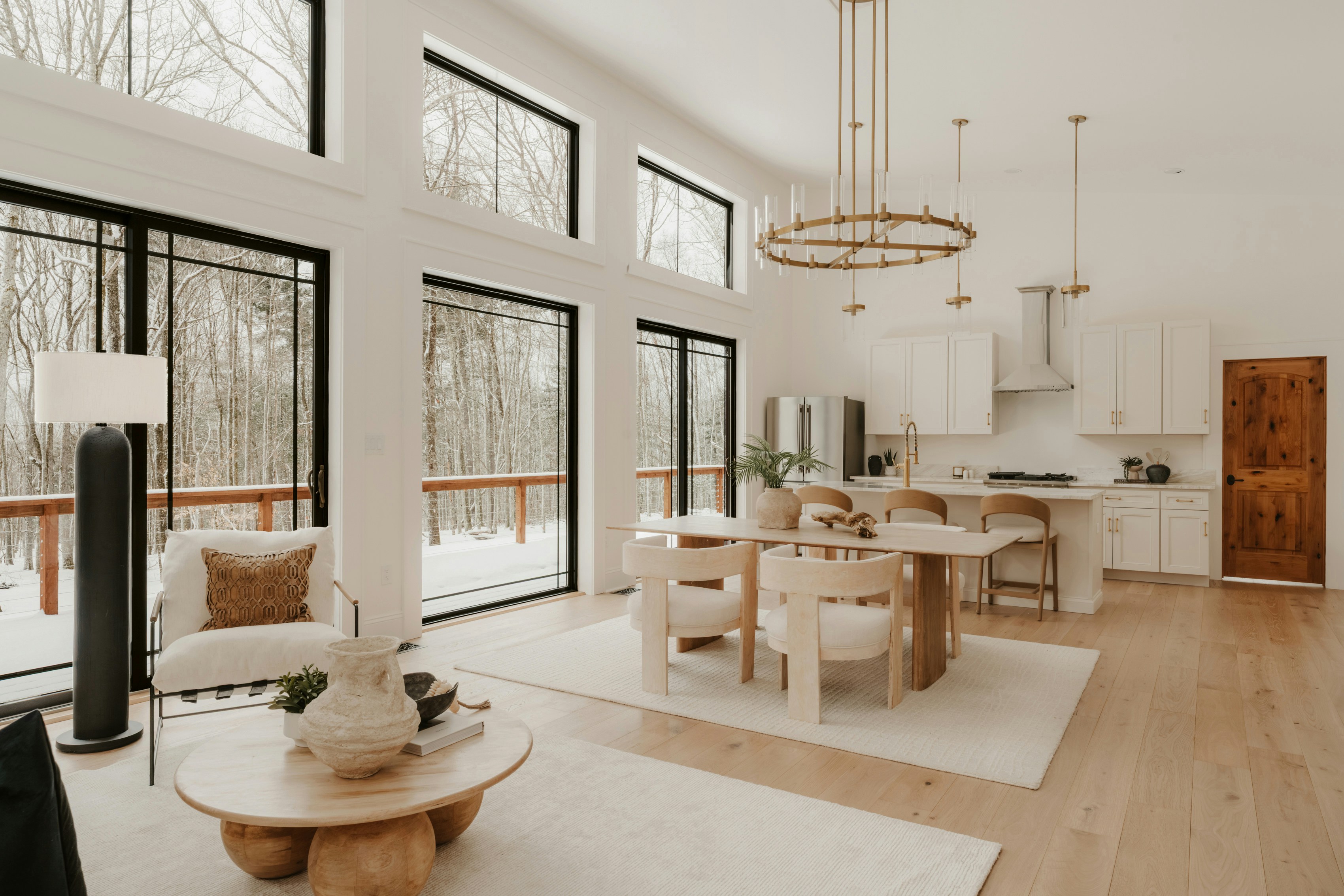
The first snowfall in Minnesota and North Dakota can arrive before you've finished your fall to-do list. One weekend, you're enjoying the changing leaves around Otter Tail Lake or a crisp autumn afternoon in Fargo. The next, you're scraping ice off your windshield and wondering whether you remembered to disconnect the garden hose.
Preparing your home before the first snow is one of the simplest ways to protect your property, prevent costly repairs, and avoid unnecessary headaches during winter. From freezing temperatures and heavy snow to ice buildup and heating system failures, our region presents challenges homeowners need to plan for.
For owners of seasonal cabins, second homes, and luxury waterfront properties throughout the Minnesota Lakes Area, winter preparation comes with additional responsibilities, especially when a property may sit unoccupied for extended periods.
At Ryan Hanson Homes, we help buyers and sellers navigate residential, lakeshore, and luxury real estate throughout Fergus Falls, Fargo-Moorhead, and the Minnesota Lakes Area. Our team has also earned the Keller Williams Luxury designation, reflecting our commitment to specialized service for distinctive homes and waterfront properties.
Whether you own a primary residence in Moorhead, a lake cabin near Perham, or a luxury retreat on Otter Tail Lake, here's what you should do before winter arrives.
1. Clean Your Gutters and Inspect Your Roof
Clogged gutters and neglected roof maintenance can lead to expensive problems once freezing temperatures arrive.
Throughout western Minnesota and eastern North Dakota, fall leaves, pine needles, and debris can accumulate in gutters and downspouts.
When water cannot drain properly, it may back up, freeze, or collect near the foundation.
Before the first snow:
- Remove leaves, pine needles, and debris from gutters.
- Check that downspouts direct water away from the foundation.
- Inspect visible shingles for damage or missing sections.
- Look for deteriorating flashing around chimneys and roof penetrations.
- Check the attic for moisture, water stains, or signs of leaks.
- Address known roof problems before snow makes repairs more difficult.
Why Ice Dams Are a Concern in Minnesota
Ice dams are a common roofing concern in cold climates.
They can form when heat escaping from a home warms the roof, causing snow to melt and refreeze near colder eaves.
As ice builds up, melting snow may become trapped and work its way beneath roofing materials.
Proper attic insulation, air sealing, ventilation, and drainage can help reduce the risk.
If your home has steep rooflines or difficult-to-access gutters, hire a qualified professional rather than attempting unsafe roof or ladder work.
2. Schedule Furnace and Heating System Maintenance
A reliable heating system is essential during a Minnesota or North Dakota winter.
In Fargo, Moorhead, Fergus Falls, and the surrounding communities, a heating failure during extreme cold can quickly become more than an inconvenience. It can also put vulnerable plumbing at risk.
Schedule professional heating system maintenance before temperatures drop significantly.
A qualified technician can inspect your equipment, evaluate system operation, and identify potential problems before they become winter emergencies.
Homeowners should also:
- Replace or clean furnace filters according to manufacturer recommendations.
- Test thermostats and replace batteries when needed.
- Keep heating vents and return air grilles unobstructed.
- Test smoke alarms and carbon monoxide detectors.
- Check exterior furnace intake and exhaust locations.
- Make sure heating equipment is serviced according to manufacturer guidelines.
Additional Considerations for Luxury Homes
Larger custom homes may feature multiple heating zones, radiant in-floor heat, heated garages, gas fireplaces, or snow-melting systems.
These features provide comfort and convenience, but they also require proper maintenance.
Before winter, confirm that each system operates correctly.
For second-home owners, remotely monitored thermostats and low-temperature alerts can provide an additional safeguard when nobody is home.
3. Disconnect Outdoor Hoses and Protect Plumbing
One of the easiest ways to reduce the risk of frozen plumbing is to disconnect your outdoor garden hoses before temperatures fall below freezing.
Even frost-resistant outdoor faucets can freeze if an attached hose prevents water from draining properly.
Before winter:
- Disconnect, drain, and store garden hoses.
- Shut off and drain exterior water lines where required.
- Professionally winterize irrigation systems when appropriate.
- Drain seasonal outdoor showers and water features.
- Check exposed plumbing in crawl spaces and unheated areas.
- Protect vulnerable pipes from freezing temperatures.
If you're unsure how your outdoor faucets or irrigation system should be winterized, consult a qualified plumber or irrigation professional.
Don't Forget Garages, Workshops, and Outbuildings
Many properties throughout Otter Tail County and the Minnesota Lakes Area have detached garages, workshops, guest quarters, and additional buildings.
These structures may contain plumbing that is easy to overlook.
A garage sink, utility room, or water line to an outbuilding can be vulnerable when temperatures drop.
Even heated garages may experience freezing conditions if a heating system fails or a door is accidentally left open.
Inspect each building separately rather than assuming the entire property is protected.
4. Prepare Your Lake Home, Dock, and Shoreline
For lake property owners, preparing for winter means more than maintaining the house.
Properties on Otter Tail Lake, West Battle Lake, Pelican Lake, Little Pine Lake, and other lakes throughout the Minnesota Lakes Area often include docks, boat lifts, waterfront entertaining areas, and shoreline improvements requiring seasonal attention.
Remove Seasonal Docks and Boat Lifts Before Freeze-Up
Most removable docks and boat lifts that are not designed for winter exposure should be taken out before lake ice forms.
Ice movement can damage dock structures, boat lifts, retaining walls, and other waterfront equipment.
Before freeze-up:
- Schedule seasonal dock and boat lift removal.
- Remove boats, pontoons, and personal watercraft.
- Inspect dock and lift components for visible damage.
- Secure ladders, dock accessories, and removable sections.
- Store waterfront furniture and recreational equipment.
- Check shoreline structures for deterioration.
Important Minnesota lake regulation: Minnesota law requires used docks, boat lifts, and swim rafts to remain out of the water for at least 21 days before installation in a different body of water.
This requirement helps prevent the spread of aquatic invasive species. It does not automatically apply to a dock being returned to the same lake after winter storage.
Equipment must also be cleaned and drained according to applicable requirements.
If hiring a business to install or remove waterfront equipment, use a Minnesota DNR-permitted lake service provider.
For additional information, review the Minnesota DNR's dock and boat lift requirements.
Inspect Your Shoreline Before Winter
Lake ice can exert significant pressure on waterfront structures.
Natural ice ridges, sometimes called ice pushes or ice heaves, can form when expanding or moving lake ice pushes soil and rock toward shore.
These forces can damage retaining walls, docks, stairs, and other shoreline improvements.
Before winter, inspect:
- Riprap and existing shoreline stabilization.
- Retaining walls.
- Waterfront stairs and access points.
- Drainage areas.
- Landscaping near the water.
- Areas showing signs of erosion.
Be cautious about making shoreline alterations without checking applicable requirements.
Minnesota has specific rules governing shoreline work, particularly projects near or below the ordinary high-water level.
Some work may require permits or local approval.
Natural ice ridges can also provide erosion protection and ecological benefits, so they should not automatically be removed.
The Minnesota Department of Natural Resources shoreline guidance provides information about ice ridges and shoreline alterations.
5. Winterize Your Seasonal Cabin or Second Home
Second-home ownership creates a different set of winter responsibilities than maintaining a primary residence.
For someone living in Fargo, North Dakota, or Moorhead, Minnesota, a lake home near Detroit Lakes, Battle Lake, or Perham may be a convenient seasonal getaway.
But when the summer season ends and visits become less frequent, protecting an unoccupied property becomes especially important.
Should You Leave the Heat On or Fully Winterize?
The correct approach depends on how you use the property.
Year-round lake home: Maintain dependable heating and protect vulnerable plumbing throughout winter.
Occasionally occupied second home: Maintain appropriate heat, monitor indoor temperatures, and arrange periodic property inspections.
Seasonal cabin closed for winter: Consider professional winterization of plumbing and mechanical systems.
Vacant home listed for sale: Coordinate heating, utilities, insurance, maintenance, and access for showings.
There is no single thermostat setting that guarantees pipes will not freeze.
A home's insulation, plumbing layout, heating reliability, and exposure to extreme temperatures all influence the risk.
If your cabin will sit vacant for extended periods, consult a qualified professional about the appropriate winterization process.
Install Remote Temperature and Water Monitoring
For second-home owners, technology can provide an additional layer of protection.
Consider systems that monitor:
- Unexpected indoor temperature drops.
- Water leaks.
- Power outages.
- Heating system interruptions.
- Unusual water consumption.
Some systems can automatically shut off the water supply when a leak is detected.
These devices do not replace routine maintenance or inspections, but they may help identify problems earlier.
Arrange for a Local Property Contact
If your primary residence is outside the Minnesota Lakes Area, having someone nearby who can check your property can be extremely valuable.
A trusted local contact or professional caretaker may help identify heating problems, storm damage, snow accumulation, or water intrusion.
Review your homeowner's insurance policy for requirements involving seasonal occupancy, vacancy, water shutoff, heating, and inspections.
Coverage terms and responsibilities vary by policy.
6. Seal Windows and Doors Before Cold Weather Arrives
Cold winter winds are a familiar part of life across the Red River Valley and west-central Minnesota.
Whether you own an established home in Fergus Falls, a newer property in West Fargo, or a custom lake home near Battle Lake, air leaks can affect comfort and heating efficiency.
Before winter:
- Inspect weatherstripping around exterior doors.
- Replace damaged door sweeps.
- Check accessible window caulking and seals.
- Inspect attic access openings.
- Look for drafts around utility penetrations.
- Address visible gaps that allow cold air inside.
When Is a Home Energy Assessment Worth Considering?
If your home has consistently cold rooms, noticeable drafts, or unusually high heating bills, a professional home energy assessment may help identify opportunities for improvement.
Older homes can sometimes benefit significantly from targeted air sealing and insulation work.
However, newer construction can also have air leakage or insulation issues.
Improvements should account for appropriate ventilation and moisture control.
7. Prepare Driveways, Walkways, and Outdoor Living Spaces
Once snow and ice accumulate, exterior maintenance becomes more difficult.
Inspect your property's access points before winter weather arrives.
Your fall preparation should include:
- Repairing damaged steps or unsafe walking surfaces.
- Checking driveway drainage.
- Testing snowblowers and snow removal equipment.
- Arranging professional snow removal if needed.
- Securing outdoor furniture and umbrellas.
- Cleaning and properly storing seasonal grills.
- Checking exterior lighting.
- Stocking appropriate ice-melting materials.
Choose deicing products carefully. Some products can damage concrete, natural stone, landscaping, or metal surfaces when used improperly.
Protect Outdoor Features on Luxury Properties
Many luxury homes and waterfront properties feature extensive outdoor amenities.
These may include outdoor kitchens, hot tubs, heated patios, custom landscaping, and snow-melting systems.
Each feature may require specific winter maintenance.
For example, hot tubs used throughout winter require dependable heating and ongoing maintenance. Hot tubs being closed for the season should be winterized according to manufacturer recommendations.
Heated driveway and walkway systems should also be tested before significant snowfall.
Taking care of these features helps preserve the property's condition and functionality.
8. Inspect Trees and Landscaping
Mature trees contribute to the character and privacy of many Minnesota lake properties.
Wooded lots near Detroit Lakes, Vergas, and Pelican Rapids often feature established trees close to homes, garages, and waterfront areas.
However, dead or damaged branches can become hazardous when exposed to heavy snow, ice, and strong winds.
Before winter:
- Look for dead or visibly damaged branches.
- Check for trees leaning toward buildings.
- Identify limbs overhanging roofs and garages.
- Clear leaves and debris from drainage areas.
- Inspect trees near driveways and walkways.
Hire a qualified arborist for hazardous pruning or tree removal.
Never attempt to trim branches near energized power lines. Contact the appropriate utility provider for assistance.
9. Inspect Fireplaces, Chimneys, and Wood Stoves
Few features make a Minnesota winter evening more inviting than a fireplace.
Whether it's a traditional wood-burning fireplace in a lake cabin or a modern gas fireplace in a luxury home, proper maintenance is essential.
Before the first fire of the season:
- Have wood-burning fireplaces and chimneys professionally inspected.
- Schedule chimney cleaning when needed.
- Check fireplace doors and safety screens.
- Verify that dampers function correctly.
- Keep combustible materials away from heating appliances.
- Test smoke and carbon monoxide alarms.
- Follow manufacturer recommendations for gas fireplace servicing.
Never assume a fireplace is safe to use simply because it operated properly last winter.
10. Prepare Your Property for a Fall or Winter Sale
If you're considering selling your home in Fergus Falls, Fargo-Moorhead, or the Minnesota Lakes Area, winter preparation should be part of your selling strategy.
Buyers pay attention to property condition.
Clogged gutters, icy walkways, water stains, and visible signs of deferred maintenance can create questions about how a property has been cared for.
Completing routine maintenance before listing can help reduce avoidable concerns during showings and inspections.
Selling a Lake Home During the Off-Season
Lakefront real estate presents unique marketing challenges during fall and winter.
Once the dock is removed and the shoreline is covered in snow, buyers may have difficulty visualizing how the property looks and functions during the warmer months.
That's why year-round marketing materials are important.
For lake properties, consider including:
- Professional summer exterior photography.
- Waterfront and shoreline photographs.
- Aerial photography when appropriate.
- Floor plans.
- Clear descriptions of waterfront features.
- Images of docks, patios, and outdoor amenities during summer.
Seasonal images should accurately represent the property, and buyers should understand when photographs were taken.
This is especially important for luxury lake homes, where architecture, craftsmanship, waterfront views, and outdoor living spaces can be major features.
The Value of Specialized Luxury Real Estate Marketing
A custom waterfront home on Otter Tail Lake requires a different presentation strategy than a traditional residential property in Fargo or Moorhead.
Distinctive homes deserve marketing that communicates their architecture, features, setting, and lifestyle appeal.
At Ryan Hanson Homes, we're proud to be the only Keller Williams Group or Team to have earned the Keller Williams Luxury designation in the Minnesota West Central Lakes Area, as recognized in our published team credentials.
That distinction is an important part of our approach to serving clients with distinctive residential and waterfront properties.
Our team understands that marketing a luxury home involves more than showcasing square footage and bedroom counts.
Professional photography, thoughtful property descriptions, appropriate pricing analysis, and presentation of unique amenities can all play meaningful roles.
Whether you're selling a traditional family home or a distinctive lakefront retreat, the strategy should reflect the property's individual characteristics and the buyers most likely to appreciate them.
If you're considering selling, you can request a home valuation and discuss your property's features, condition, and local market positioning.
Your Before-the-First-Snow Home Maintenance Checklist
Before winter weather arrives, use this checklist to help protect your home.
- Clean gutters and inspect roof drainage.
- Schedule furnace or heating system maintenance.
- Test smoke alarms and carbon monoxide detectors.
- Disconnect outdoor hoses.
- Protect exterior faucets and vulnerable plumbing.
- Winterize sprinkler systems and seasonal water features.
- Remove seasonal docks, lifts, and watercraft.
- Inspect shorelines and waterfront structures.
- Prepare seasonal cabins and vacant second homes.
- Check remote temperature and water monitoring systems.
- Inspect weatherstripping around windows and doors.
- Prepare snow removal equipment.
- Inspect trees and drainage areas.
- Service fireplaces, chimneys, and wood stoves.
- Review insurance requirements for vacant properties.
- Arrange property inspections when away for extended periods.
Not every task will apply to every property, but completing the appropriate maintenance before freezing weather arrives can reduce the risk of costly winter problems.
Frequently Asked Questions About Preparing Your Home for Winter
When should I start winterizing my home in Minnesota or North Dakota?
Early fall is a good time to begin. Freezing temperatures can arrive before the first significant snowfall, so outdoor plumbing, heating systems, and seasonal lake equipment should be addressed before conditions become difficult. The specific timing depends on local weather and the type of property.
What are the most important things to do before the first snow?
Prioritize heating system maintenance, disconnecting outdoor hoses, protecting vulnerable plumbing, cleaning gutters, checking roof drainage, and preparing snow removal equipment. Lake property owners should also address docks, boat lifts, and seasonal waterfront equipment.
Do I have to remove my dock before winter in Minnesota?
Not every dock is required to be removed solely because winter is approaching. However, docks and lifts not designed for ice exposure should generally be removed before freeze-up. Equipment manufacturers and qualified lake service providers can help determine the appropriate approach.
Should I shut off the water at my Minnesota lake cabin?
Shutting off the water supply may be appropriate for a seasonal cabin that will remain unoccupied, but it does not automatically protect all plumbing from freezing. Proper winterization depends on the property's plumbing, heating, and mechanical systems. Consult a qualified plumber and review your insurance requirements.
How do I protect my second home during a Minnesota winter?
Maintain appropriate heat or professionally winterize the property, protect plumbing, monitor temperatures, arrange periodic inspections, and maintain a reliable local contact. Water leak detectors and remote alerts can provide additional protection.
Is fall a good time to sell a home in Fargo-Moorhead or the Minnesota Lakes Area?
Fall can be a viable time to sell, depending on the property, asking price, local inventory, and buyer demand. Maintaining curb appeal, preparing for winter, and using quality marketing materials can help buyers evaluate a property regardless of the season.
How is winter preparation different for luxury lake homes?
Luxury lake homes may include multiple heating systems, radiant floors, expansive outdoor areas, heated garages, custom landscaping, and specialized waterfront equipment. These additional features can require more extensive and coordinated maintenance.
Can Fargo, North Dakota residents buy second homes in the Minnesota Lakes Area?
Yes. Buyers who live in Fargo, West Fargo, and other North Dakota communities can purchase Minnesota lake homes and vacation properties, subject to applicable financing, ownership, and property-use requirements. The Minnesota Lakes Area offers a variety of waterfront homes, seasonal cabins, and year-round recreational properties.
Protect Your Home Before Winter and Plan for What's Next
Winter is part of what makes living in Minnesota and North Dakota unique.
From snow-covered neighborhoods in Fargo-Moorhead to frozen lakes near Fergus Falls, Battle Lake, Perham, and Detroit Lakes, the colder months bring beautiful scenery along with important property maintenance responsibilities.
Preparing your home before the first snow helps protect its condition, reduce the risk of avoidable damage, and make winter ownership easier.
Whether you're maintaining a primary residence, closing up a seasonal cabin, or caring for a luxury waterfront property, proactive maintenance is time well spent.
If you're thinking about buying, selling, relocating, or exploring a second home in the Minnesota Lakes Area, Ryan Hanson Homes can help you evaluate your options.
Our team serves buyers and sellers throughout western Minnesota, eastern North Dakota, and the surrounding lakes region. With experience across traditional residential real estate, waterfront properties, and luxury homes, along with our earned Keller Williams Luxury designation, we understand that every property and every client's goals are different.
Explore communities throughout our real estate service area or contact Ryan Hanson Homes to discuss your next move.
Protect your home today. Plan confidently for tomorrow.